









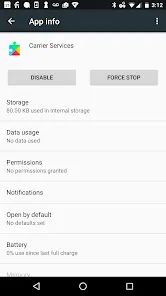
Carrier services refer to the broad range of logistics, transportation, and communication solutions provided by companies specializing in moving goods, people, or data from one point to another. These services include shipping, freight forwarding, parcel delivery, telecommunication services, and mobile network support. Carrier services play a critical role in global commerce and connectivity by ensuring timely and efficient transport or transmission. They involve partnerships with various modes of transport such as air, sea, rail, and road, and integrate technology to track, manage, and optimize deliveries or communications. By leveraging carrier services, businesses and individuals can benefit from reliable, scalable, and cost-effective solutions tailored to their specific transportation or communication needs.
Pros and Cons
Pros:
Provides reliable and scalable transportation or communication solutions.
Access to advanced tracking and management technology.
Enables global reach and connectivity for businesses and individuals.
Offers specialized services tailored to different industries and cargo types.
Reduces operational burden by outsourcing logistics and communication tasks.
Supports multi-modal transport for optimized delivery routes.
Facilitates efficient communication infrastructure with telecommunication carriers.
Cons:
Costs can be high, especially for expedited or specialized services.
Dependence on third-party carriers may lead to delays or service disruptions.
Complex regulations and compliance requirements can complicate operations.
Limited control over last-mile delivery or network issues.
Potential security and privacy concerns in communication services.
Variable service quality depending on the carrier chosen.
Key Features
Comprehensive transportation options including air, sea, rail, and road freight.
Real-time tracking and monitoring of shipments or data transmission.
Customizable service levels such as standard, expedited, or specialized handling.
Integrated communication networks supporting voice, data, and messaging services.
Automated scheduling and route optimization to improve delivery efficiency.
End-to-end supply chain visibility through digital platforms.
Compliance management ensuring adherence to international trade laws and regulations.
Customer support services for shipment tracking, troubleshooting, and claims.
Security measures to protect cargo and data integrity.
Functions
Transporting goods and cargo safely and efficiently across local and international routes.
Providing telecommunication infrastructure for voice, data, and mobile services.
Facilitating customs clearance and documentation for cross-border shipments.
Enabling real-time communication between shippers, carriers, and recipients.
Managing scheduling, routing, and delivery to optimize cost and time.
Offering freight forwarding and consolidation services to maximize cargo space.
Providing tracking and status updates to improve transparency.
Handling claims and insurance services related to lost or damaged goods.
Maintaining network uptime and connectivity in communication services.
How to Use Carrier Services
Click the button "Check All Versions" below to download and install it.
Step 1: Identify your specific needs, whether it is freight transport, parcel delivery, or telecommunication support.
Step 2: Research and select a carrier service provider that matches your requirements and budget.
Step 3: Provide detailed information about your shipment or communication needs, including size, weight, destination, and delivery timeline.
Step 4: Review and agree on service terms, pricing, and insurance options.
Step 5: Schedule pickup or set up network services as per the carrier's instructions.
Step 6: Utilize tracking tools provided by the carrier to monitor progress and status.
Step 7: Communicate with customer support in case of any delays, issues, or inquiries.
Step 8: Confirm receipt or completion of service and review performance for future reference.
Step 9: Provide feedback or file claims if necessary to improve future experiences.


 0
0