
Kardia is a digital health platform developed by AliveCor, which allows users to monitor and track their heart health using a mobile device and wearable ECG (electrocardiogram) technology. Designed to provide users with accurate heart health data, Kardia offers a portable and easy-to-use solution for detecting irregular heart rhythms, such as atrial fibrillation (AFib), a condition that can lead to stroke if not monitored. The Kardia device works by recording the electrical activity of the heart and syncing the data to the Kardia app on your smartphone. This allows users to quickly capture and review their heart data anytime, anywhere. The device provides a simple yet effective tool for individuals looking to monitor their heart health proactively, making it particularly beneficial for those with existing heart conditions or those wanting to keep a closer eye on their cardiovascular well-being. With its user-friendly interface and clinical-grade accuracy, Kardia has gained popularity among consumers and healthcare providers alike.
Pros and Cons of Kardia
Pros:
Portable and Convenient: Kardia is a small, lightweight device that can easily fit in your pocket, allowing users to track their heart health on-the-go.
Clinical-Grade Accuracy: Kardia provides FDA-cleared ECG readings, which ensures that the data is clinically accurate, offering peace of mind for users.
Easy to Use: The device is simple to set up and use, with a straightforward process for capturing ECGs using just your smartphone and the Kardia app.
Real-Time Monitoring: Users can track their heart health in real-time, receiving instant results after recording an ECG, making it easy to spot irregularities.
Detects AFib: Kardia can detect atrial fibrillation (AFib), a common heart condition that increases the risk of stroke, allowing users to act early and consult with a doctor.
Shareable Data: The app allows users to share their ECG results directly with healthcare providers, which can assist in diagnosis and treatment decisions.
Cons:
Limited to Heart Health: Kardia is designed specifically for monitoring heart health, meaning it doesn't provide information about other aspects of health or fitness, such as blood pressure or cholesterol levels.
Requires Smartphone: The device relies on a smartphone app to view results, which may be inconvenient for users who do not have a compatible or functioning smartphone.
Price: Kardia is not free; it requires an upfront purchase of the device, and additional features may require a subscription to the Kardia Premium plan.
Limited Battery Life: Depending on usage, the device's battery life can be relatively short, requiring periodic recharging to ensure it's ready for use when needed.
Not a Substitute for Professional Diagnosis: While Kardia can detect irregular heart rhythms, it is not a replacement for a professional medical diagnosis, and users should always consult with a healthcare provider for definitive results.
Key Features of Kardia
FDA-Cleared ECG Technology: Kardia uses medical-grade ECG technology that is cleared by the FDA, ensuring accuracy and reliability in detecting heart irregularities.
Portable and Compact: The device is small and portable, making it easy for users to carry and use wherever they are, whether at home, work, or on the go.
Real-Time Results: After each ECG recording, Kardia provides immediate results, allowing users to instantly know whether their heart rhythm is normal or abnormal.
AFib Detection: Kardia is specifically designed to detect atrial fibrillation (AFib), a common heart condition that increases the risk of stroke, and alert users if they need further medical evaluation.
Data Storage and Tracking: The Kardia app stores ECG results over time, enabling users to track their heart health and identify any changes or trends in their heart rhythm.
Sharing with Healthcare Providers: The app allows users to share ECG recordings directly with healthcare professionals, providing them with vital information for diagnosis and treatment planning.
Multiple Device Compatibility: Kardia is compatible with both iOS and Android devices, making it accessible to a wide range of users.
Functions of Kardia
ECG Recordings: Kardia's primary function is to record the electrical activity of the heart through the use of a small, portable ECG device that pairs with a mobile app.
Instant ECG Results: The device immediately analyzes your heart's rhythm after a recording, providing real-time feedback about whether your heart rate is normal or irregular.
AFib Detection: Kardia detects atrial fibrillation (AFib) and alerts users when an abnormal rhythm is found, allowing for early detection and potential intervention.
Heart Health Tracking: Kardia keeps a log of your ECG readings and tracks heart health over time, so you can see changes and trends in your cardiovascular health.
Easy Sharing with Doctors: After recording an ECG, users can share their results with doctors or medical professionals directly from the app, making it easier to consult about heart health.
Battery and Power Management: Kardia uses a rechargeable battery, and users can monitor the battery life through the app, ensuring that the device is always ready for use when needed.
How to Use Kardia
Click the button "Check All Versions" below to download and install it.
Step 1 - Purchase and Set Up Kardia: Buy the Kardia device from the official website or authorized retailers. Follow the instructions to set up the device and download the Kardia app from the App Store (iOS) or Google Play Store (Android).
Step 2 - Connect Your Device: After downloading the app, follow the pairing instructions to connect your Kardia device with your smartphone via Bluetooth.
Step 3 - Record an ECG: To take an ECG, place your fingers on the device’s sensors. The app will start recording your heart’s electrical activity and provide results within 30 seconds.
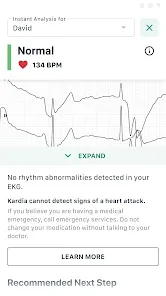
Step 4 - Review Your Results: Once the ECG is complete, the app will show whether your heart rhythm is normal or if there is an irregularity, such as atrial fibrillation (AFib).
Step 5 - Track Your Heart Health: You can save your ECG results within the app to track any changes or trends in your heart health over time. The app will also offer you a summary of your heart readings.
Step 6 - Share Results with Healthcare Providers: If you notice any irregularities or if you want a professional opinion, you can easily share your ECG results with your doctor directly through the app.
Step 7 - Recharge and Maintain the Device: Keep the Kardia device charged by plugging it into the charging dock when not in use, and monitor the battery level through the app to ensure it's always ready for your next ECG.


 0
0