
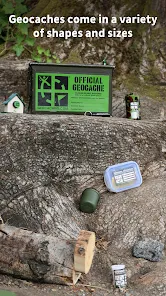

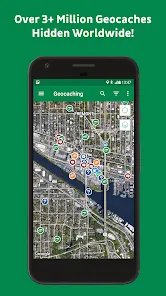
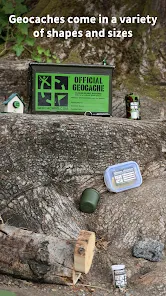




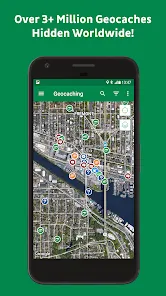





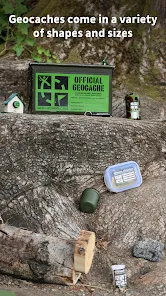


Geocaching® is an outdoor recreational activity where participants use GPS-enabled devices or smartphone apps to hide and seek containers, called “geocaches” or “caches,” at specific locations marked by coordinates all over the world. It combines adventure, exploration, and technology, encouraging people to discover new places, connect with nature, and engage in a global treasure hunt. The caches typically contain a logbook and sometimes small trinkets for trading. Geocaching has become a popular pastime for individuals and families alike, promoting physical activity, problem-solving, and community interaction while fostering environmental awareness and respect for public and private lands.
Pros and Cons
Pros:
Encourages outdoor exploration and physical activity.
Suitable for all ages, promoting family-friendly fun.
Supports problem-solving and navigation skills development.
Creates a global community of like-minded adventurers.
Promotes environmental awareness and respect for nature.
Free to participate, with many caches publicly accessible.
Cons:
Requires access to a GPS device or compatible smartphone.
Some caches can be difficult to find, causing frustration.
Risk of trespassing or disturbing private property if not careful.
Weather conditions may limit outdoor activity opportunities.
Not all locations have geocaches nearby, limiting accessibility.
Requires awareness of local regulations and environmental impact.
Key Features
GPS-based treasure hunting with precise geocoordinates for caches.
Wide variety of cache types, including traditional, multi-cache, and mystery caches.
Geocaching apps and websites for logging finds, sharing experiences, and navigation.
Community-driven content with user-generated caches and reviews.
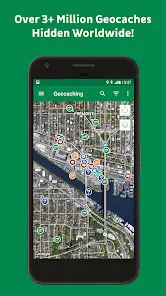
Integrated map views and search filters for locating caches.
Ability to track and earn badges or achievements based on activity.
Logbooks within caches for physical record-keeping and social interaction.
Option to trade small items in caches, enhancing the treasure hunt experience.
Functions
Search and locate geocaches using GPS coordinates and maps.
Navigate to caches with step-by-step directions or compass tools.
Log your cache finds digitally via app or website to maintain records.
Submit new geocache listings with detailed descriptions and photos.
Communicate with the geocaching community through forums and messages.
Access hints and difficulty ratings to assist in finding challenging caches.
View statistics and progress tracking for motivation and goal setting.
Use offline maps and cache data to enable geocaching without internet access.
How to Use Geocaching®
Click the button "Check All Versions" below to download and install it.
Download the official Geocaching® app or visit the Geocaching website.
Create a free account to access geocache listings and log your finds.
Search for nearby geocaches using your location or a specific area.
Review cache details including difficulty, terrain, and size before heading out.
Use your GPS device or smartphone to navigate to the cache’s coordinates.
Once at the location, carefully search the area for the hidden container.
Sign the physical logbook inside the cache and optionally trade small items.
Log your find on the app or website, sharing comments or photos if desired.
Respect private property, local laws, and nature while geocaching.
Consider hiding your own cache to contribute to the community.


 0
0