

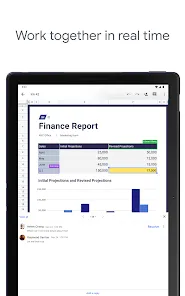

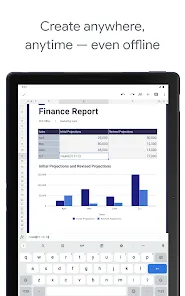
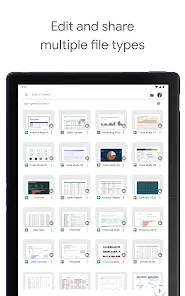
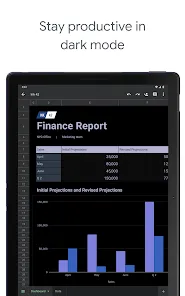












Google Sheets is a productivity app designed to help users organize information and complete routine work more efficiently. The app is best treated as a focused companion: open it when the relevant need arises, choose the appropriate option, and work through the on-screen flow. Its Google Play rating of 4.78 offers a useful snapshot of current user feedback, although individual experiences can vary by device and version.
Key Features
Users can expect a compact collection of options shaped around the app’s main activity rather than an unrelated mix of extras.
- Structured task or information management.
- Quick entry and editing controls.
- Clear organization of important items.
- Easy access to frequently used actions.
Pros & Cons
The main advantage of Google Sheets is its focused approach, but the experience still depends on device compatibility, permissions, and the version currently installed.
- Pro: The app can reduce the number of steps needed for its intended use case.
- Con: Some options may differ by device, region, subscription level, or app version.
Functions
Google Sheets functions as a dedicated workspace for its core activity, keeping the main steps inside a single mobile flow.
- Organize it with the available tools.
- Review completed work and continue with the next task.
- Capture or locate the information needed.
How to Use
Click the button "Check All Versions" below to download and install it. When the installation finishes, start Google Sheets, complete any essential setup, and check the available settings before beginning.
- Confirm that the listed app name and developer match the version you expect.
- Choose the main feature that fits your current task.
- Review the result or saved output before closing the app.


 0
0