
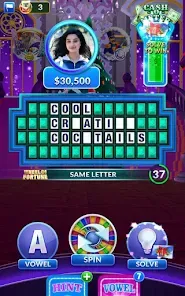


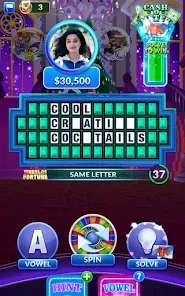




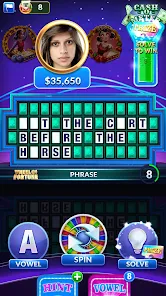


*Wheel of Fortune* is a long‑running American television game show in which contestants solve word puzzles to win cash and prizes by spinning a large wheel and guessing letters. The show combines elements of hangman and luck: players spin the wheel to determine a cash value, guess consonants, optionally buy vowels, or attempt to solve the puzzle. :contentReference[oaicite:0]{index=0} Over several rounds, contestants accumulate money (or prize values) and compete to be the highest scorer. The winner then plays a bonus round for greater rewards. Created by Merv Griffin, the format has been adapted internationally and remains a staple of daytime and syndication television.
Pros & Cons
Pros:
Engaging mix of luck and skill: the wheel introduces surprise, while puzzle solving rewards knowledge and strategy.
Wide appeal: accessible to viewers of many ages since puzzles use common words or phrases. :contentReference[oaicite:2]{index=2}
High suspense and drama: Bankrupt or Lose A Turn wedges can instantly shift game momentum.
Variety of prize types: cash, trips, merchandise, and special bonus rounds add excitement.
International versions: many countries adopt regional variants, expanding reach. :contentReference[oaicite:3]{index=3}
Longevity and brand recognition: decades of episodes, consistent audience base. :contentReference[oaicite:4]{index=4}
Spin to win format works well in live events and corporate entertainment adaptations. :contentReference[oaicite:5]{index=5}
Cons:
Dependent on randomness: spinning can result in Bankrupt or unfavorable wedges regardless of skill.
Puzzle success depends on vocabulary, cultural knowledge, or language fluency, potentially disadvantaging some contestants.
Possible repetition or formulaic structure: audience may anticipate rounds’ pacing or format.
Operators’ quality control: misprints, puzzle errors, or inconsistent rules can occur in adaptations.
Time constraints: contestants may guess incorrectly under pressure, losing opportunities.
Prize limitations: in some versions, grand prizes or bonuses may be capped or rare.
Viewer passivity: audience can only watch, not interact (except in live spin tours).
Key Features
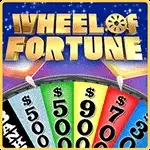
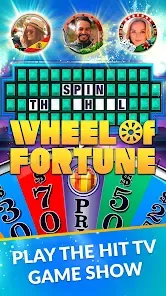
Large segmented wheel: typically with 24 wedges labeled with dollar or point amounts, Bankrupt, Lose A Turn. :contentReference[oaicite:6]{index=6}
Toss‑up or “speed-up” rounds: occasional puzzles revealed slowly to let contestants buzz in. :contentReference[oaicite:7]{index=7}
Spin → guess consonant flow: after spinning, guess a letter; if correct, letters are revealed and prize added. :contentReference[oaicite:8]{index=8}
Buying vowels: contestants can purchase a vowel (e.g. “A, E, I, O, U”) for a fixed cost to help solve. :contentReference[oaicite:9]{index=9}
Bonus round: winner plays a final puzzle under constraints (pre‑filled letters, additional guesses) for major prizes. :contentReference[oaicite:10]{index=10}
Prize puzzles: special puzzles tied to bonus or prize segments to add extra incentives. :contentReference[oaicite:11]{index=11}
Category hints: each puzzle has a category prompt (e.g. Phrase, Person, Place). :contentReference[oaicite:12]{index=12}
Elimination of turn: wrong guess, landing on penalty wedge, or failing to solve passes play to next contestant. :contentReference[oaicite:13]{index=13}
International adaptations: variations in prize currency, wedge values, and rule tweaks per country. :contentReference[oaicite:14]{index=14}
Live event versions: “Wheel of Fortune Live” tours allow audiences to spin and solve puzzles in person. :contentReference[oaicite:15]{index=15}
Functions
Puzzle generation: The show or game system generates word puzzles aligned with a clue category.
Wheel spin simulation: Random selection of wedge values for each turn based on spin results.
Letter reveal: When a consonant is guessed correctly, all occurrences in the puzzle are revealed.
Vowel purchase: Deduct fixed cost and reveal vowel letters to clarify puzzle.
Turn control logic: Manages whose turn it is, passes control when mistakes or penalties occur.
Scoring and accumulation: Track per contestant cumulative money, prize values by round.
Penalty enforcement: Bankrupt resets round gains; Lose A Turn skips next opportunity.
Bonus round orchestration: Selection of final puzzle, preset letter reveals, guess allowances, timer.
Prize delivery: Assign cash or items to contestant per game outcome.
Adaptation for software/games: Virtual version supports AI opponents, timed play, multiplayer, and replay. :contentReference[oaicite:16]{index=16}
How to Use / Play Wheel of Fortune
Click the button "Check All Versions" below to download and install it.
Select or join a version (TV, board game, mobile app, live event).
In TV or live format, three contestants compete. In app/game, you may compete against AI or other players.
Start round: host reveals the puzzle category (e.g. “Movie”, “Phrase”).
Contestant in control spins the wheel to set a dollar or point value.
After spin, guess a consonant letter. If correct, the letter appears and you earn value × occurrences.
You can either spin again, buy a vowel, or solve the puzzle (when confident).
If you guess incorrectly, hit a penalty (Bankrupt or Lose A Turn), or run out of time, control passes to next contestant.
Continue rounds until standard or final round is reached, accumulating earnings/prizes.
The leading contestant enters the bonus round: a new puzzle is shown with some letters already filled (like R, S, T, L, N, E in many versions).
In bonus, choose additional consonants and one vowel, then attempt to solve within time constraints.
If solved correctly, you win the bonus prize or additional cash. If not, you retain only your earnings from main rounds (depending on version).
Prize distribution: receive your cash and prize value as per game rules.
For app versions, select game mode (single, multiplayer, timed) and follow similar spin/guess rules with UI prompts.
In live events, participants are selected from audience, spins are done on stage, puzzles are projected, and winners may receive cash or trip prizes. :contentReference[oaicite:17]{index=17}
Practice vocabulary and strategy: avoid risky spins when puzzle nearly solved; use vowels wisely.
When watching, play along mentally by guessing letters or solving the puzzle for fun.


 0
0